
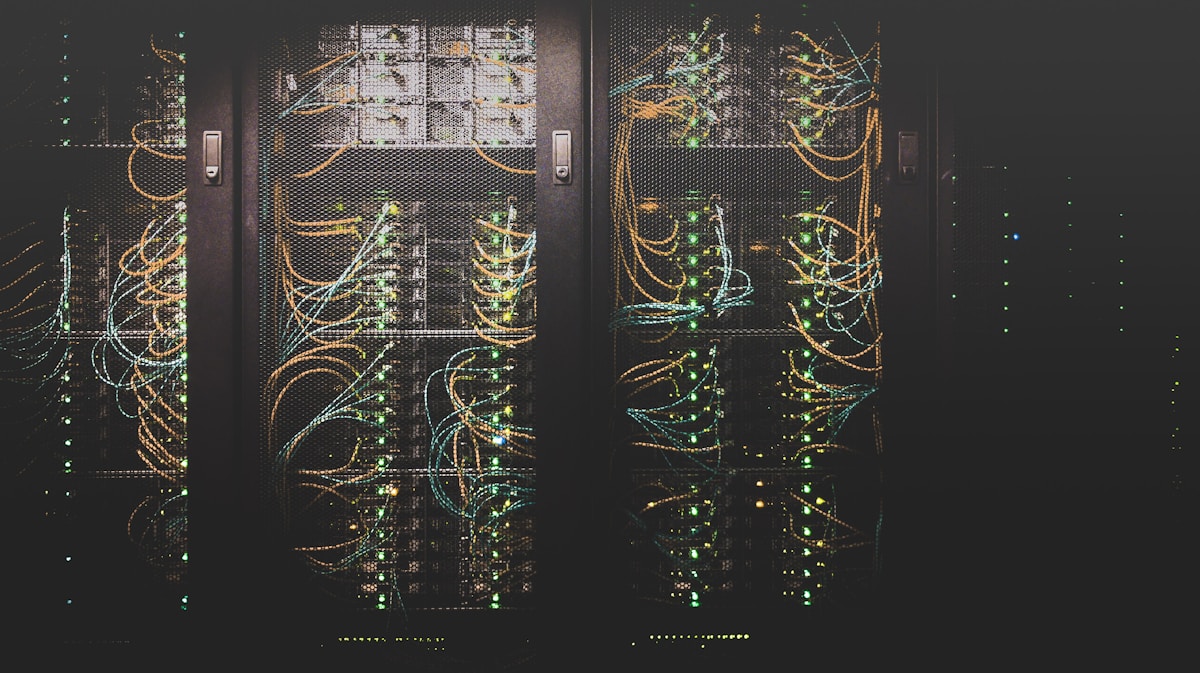
In national defense facilities, nuclear research labs, and financial vaults, the ultimate line of cybersecurity defense is the 'Air Gap': a computer physically isolated from all networks, with Wi-Fi cards removed, Bluetooth chips disabled, and no Ethernet cabling connected.
For decades, air-gapping was believed to be an invincible defense. But over the past ten years, academic researchers (notably Dr. Mordechai Guri's team at Ben-Gurion University) have proven that specialized malware can bridge physical gaps using ingenious side-channel physics.
5 Fascinating Ways Malware Leaks Data from Air-Gapped Machines
1. Acoustic Exfiltration (Ultrasonic Fan & Hard Drive Noise)
Malware installed via an infected USB drive can modulate the rotation speed of a computer's CPU or chassis cooling fans, generating subtle acoustic frequencies imperceptible to human ears. A nearby smartphone microphone or smart TV can record these ultrasonic audio waves and decode binary data at up to 1,000 bits per hour.
2. Electromagnetic Radiation (AirHopper & SATAn)
By rapidly switching GPU memory bus voltages or SATA cable signaling, malware transforms internal computer wiring into a makeshift FM radio antenna. A simple smartphone with an FM receiver in an adjacent room can capture cryptographic private keys broadcast through radio waves.
3. Optical Signals (Keyboard LED & Hard Drive Blinking)
Malware can take control of the keyboard Caps Lock LED or the motherboard's HDD activity light, flickering them hundreds of times per second in Morse-like binary sequences. A high-speed camera or drone looking through an office window can record the optical pulses and reconstruct sensitive documents.
4. Thermal Exfiltration (BitWhisper)
When two computers sit adjacent on a desk, one infected machine can modulate CPU heat by running intensive calculation bursts. The neighboring computer's thermal sensors detect the rising and falling temperature fluctuations and translate them into binary data.
Air-Gap Defense Countermeasures
- Encase high-security facilities in Faraday cages to block electromagnetic radiation (TEMPEST standards).
- Prohibit smartphones, smartwatches, and recording devices inside secure perimeters.
- Use acoustic noise-masking generators and physical LED covers on hardware.
- Strictly control and audit flash media using hardware-enforced write-blocking sanitizers.
Conclusion
Air-gap side-channel attacks remind us that cybersecurity is ultimately bound to physical reality. Every electronic component that consumes power, emits heat, or moves air can become a covert transmitter when weaponized by sophisticated code.